Photography
Football star-turned-addict gets second chance
Photographs by Amber Wang
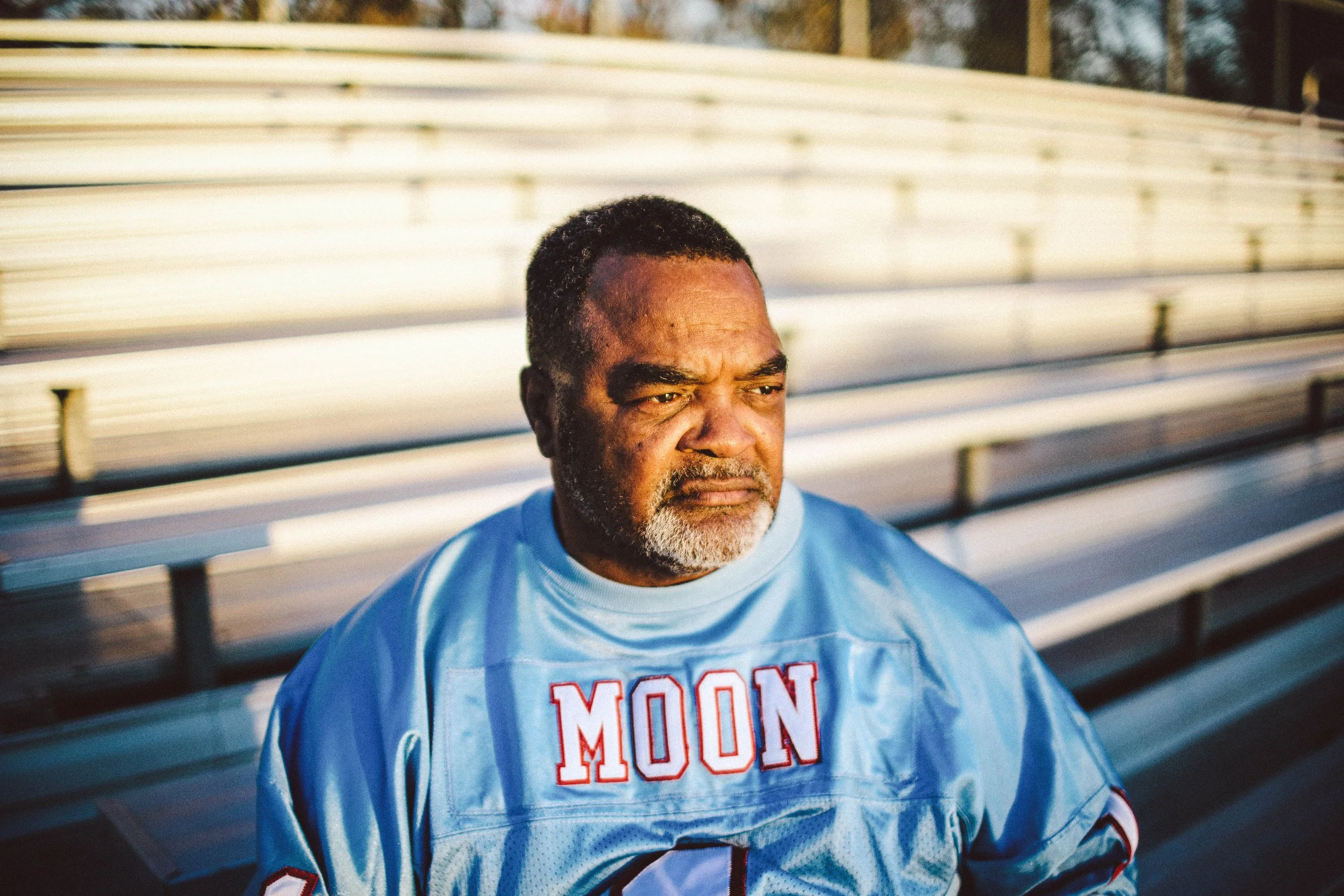
Ronald “Runt” Moon sits on the bleachers of a football field wearing a jersey bearing his name. A former high school football star, Moon was sentenced to life in prison on drug-related charges before President Barack Obama commuted his sentence in 2016.
Amber Wang / CNN
Commerce, Georgia — On Friday nights, the crowds would pack the high school football stadium in this small Georgia town, many just to catch a glimpse of the main attraction: #47, Ronald Moon.
With his blinding speed, Moon was as bright a star as any the state had ever seen on a high school football field. His talents made him a starting running back for a big-time college football program and put him on the verge of a possible NFL career.
But just as fans were once drawn to watch him play, Moon was pulled down another path in life – one consumed by a drug addiction that eventually led to a prison cell, where he expected to spend the rest of his life.
That was until he received some unexpected news from Washington.


On August 3, President Barack Obama shortened the sentences of 214 prisoners, including that of Ronald Moon.
To date, Obama has commuted the sentences of 1,000 inmates – more than the past 11 presidents combined. More than a third of those inmates were serving life sentences dealt during America’s decades-long “war on drugs.” Over the coming months and years, many will get a second chance on the outside.
Now, a new administration is heading to Washington. Sentencing reform advocates don’t expect President-elect Donald Trump to follow the precedent set by Obama, despite the overcrowding and skyrocketing operating costs plaguing the federal prison system.
And while some policies implemented in the last eight years appear in jeopardy, freed prisoners like Moon will be an enduring part of Obama’s legacy, even if reform advocates say there is still much work to be done.
‘He had something about him’
With a slight limp from his arthritic knees, Moon walks like a man who has taken his share of hits in life. But the most damaging blows landed off the football field.
Between the white lines, there were few people who could stop “Runt,” as family and friends know him. In his hometown of Commerce and surrounding northeastern Georgia, Runt is still a legend among those who saw him play.
Ray Lamb coached Moon for four years at Commerce High School. And in a career that spanned 35 years in high school and another 19 with the University of Georgia’s powerhouse football program, Coach Lamb has seen some talented players. He admits he may be biased, but he puts the running back from Commerce up against any who have ever played in the state.
At 5-foot-9 and 155 pounds, Moon was not big – especially for his position. But the statistics he racked up didn’t match his relatively small stature.
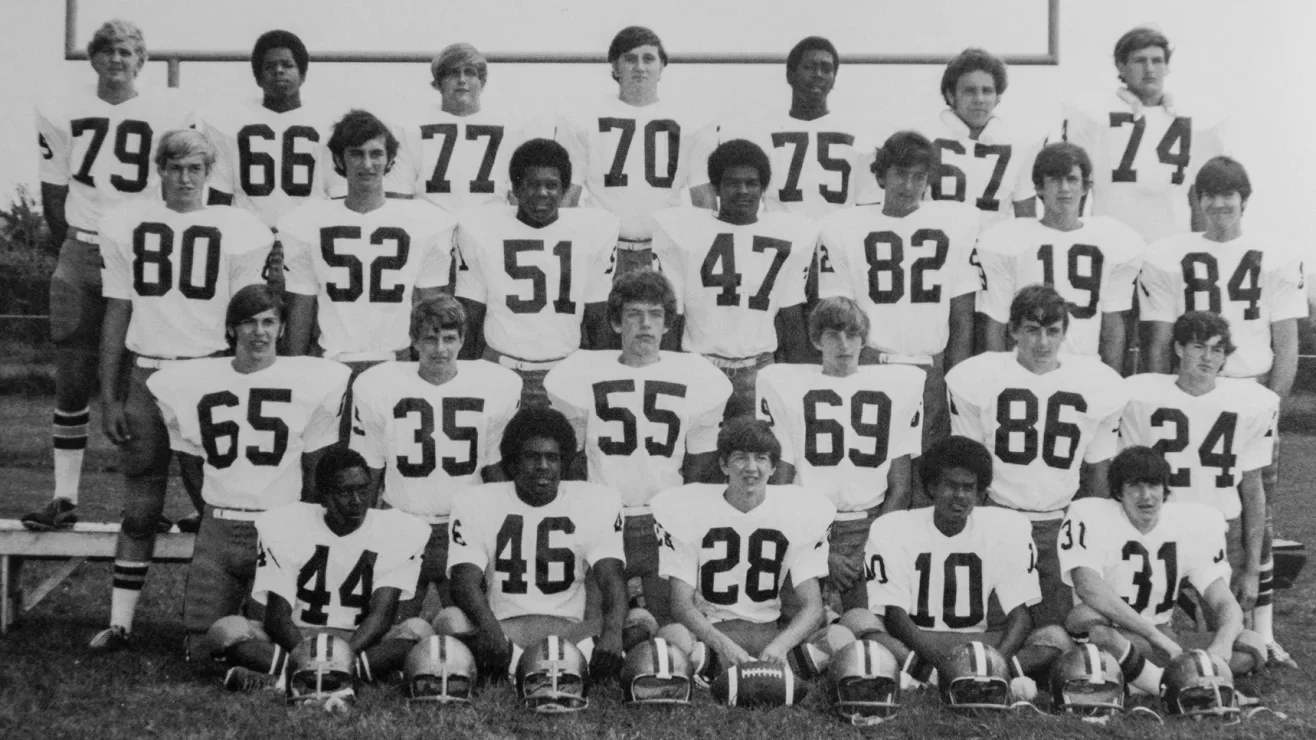
Wearing #47, Ronald Moon shattered records in his four years with the Commerce High School Tigers. (Yearbook Photo)
By the end of his career, Moon held almost every high school rushing record in the state of Georgia. As a senior in 1973, he rushed for 2,501 yards, a record he held until it was broken by Herschel Walker, who later won the Heisman Trophy.
“I’m not kidding when I say back in ’72 and ‘73, people would come from all over just to see him play,” said Lamb, who is now retired. “He had something about him.”
Moon went on to play college football at Memphis State and then the University of Louisville, but never achieved the level of success he had expected. After college, he went undrafted by NFL teams, but still clung to the hope that he would get a shot in the pros.
His agent arranged tryouts with a few teams, but that dream was soon dashed – a night of partying ended with Moon falling and breaking his wrist. Injured and seemingly out of options, Moon returned home to Commerce.
“My agent told me to stay in shape,” Moon said. “He had me until next year, but I just went to the streets and I buried myself in drugs.”
‘When he didn’t show up, I knew something was wrong’
Cassandra Moon, 45, is the oldest of Ronald Moon’s seven children. She was born when her father was just 15 years old and remembers the pride she felt watching him on TV playing college football.
But after football, Ronald Moon’s life became a roller coaster of addiction, punctuated by arrests, stints behind bars, and a few fleeting years of sobriety.
When Cassandra was a teenager, her father’s absence at one of her basketball games was the first sign of his addiction.
“That’s something that he had supported me in, and when he didn’t show up, I knew something was wrong,” she said.
Moon went to prison for drug offenses when Cassandra was in high school, the first of several convictions. Later, between 1997 and 2000, Moon served nearly three and a half years for selling cocaine. But after he got out, Moon went to a recovery house and embraced sobriety.
“When I moved back to Commerce, I bought a house, got married and was going to church and everything,” Moon said.
For the first time in nearly two decades, things were looking up for him.
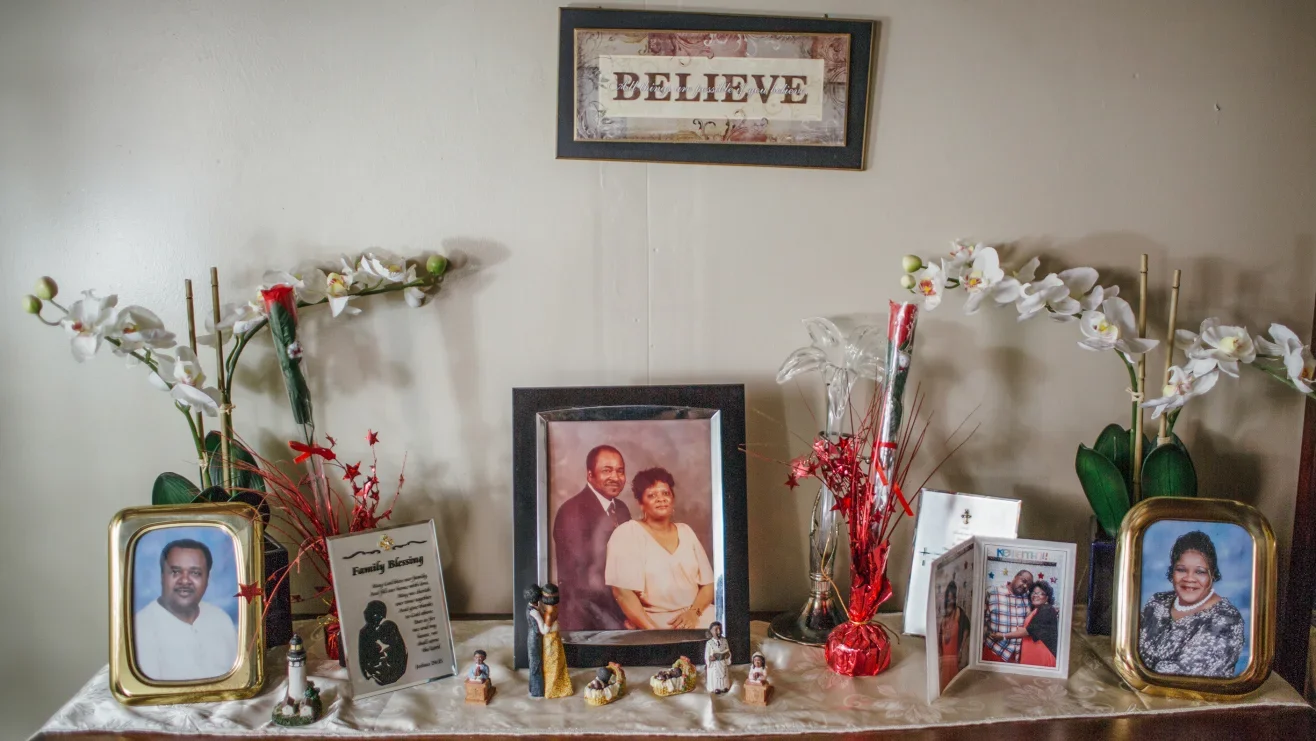
The Moon family is a tight-knit bunch, and Ronald's incarceration impacted his parents, siblings and children. Amber Wang / CNN
After moving back to his hometown, Moon started a painting business and was hired to paint a nightclub by a man he considered his friend. But the friend needed more than just a painter – he wanted help buying drugs from Moon’s old dealer. Unbeknownst to Moon, his friend was cooperating with law enforcement to avoid facing prison time for his own drug-related offenses.
“He was in my ear every day … but I still wouldn’t do it,” Moon said.
Finally, in December 2004, Moon says the friend invited him over to his house and he obliged.
“He told me to come in. I went in and he had cooked up a whole bunch of crack cocaine,” Moon said.
Overwhelmed by the smell, Moon says he nearly threw up. In those fumes, his three years of sobriety, his marriage – and later, his freedom – would dissolve.
He went back to using and selling drugs to support his habit. In February 2005, Moon sold crack and cocaine to an undercover agent. In April, he sold the agent several ounces of meth, and soon after, was indicted for all three deals.
Allen Moye was an assistant US attorney for more than 20 years and a prosecutor on the Moon case. In his career, Moye says he worked on several drug cases where defendants were facing mandatory sentences, but that Moon’s case stood out.
“I just don’t recall in any other case where I felt as though the punishment was so inappropriate,” Moye said.
Moye recognized that because of his prior convictions, Moon was facing a mandatory minimum – life in prison without the possibility of parole – and said his team “bent over backwards” to try to avoid that. But they needed Moon’s cooperation.
Moon says he feared for his life if he snitched on the dealers they were after, leaving the court no option but to impose the mandatory sentence.
“We had no alternative but to follow the law, but given other options, it is not the course that I would have taken,” Moye said.
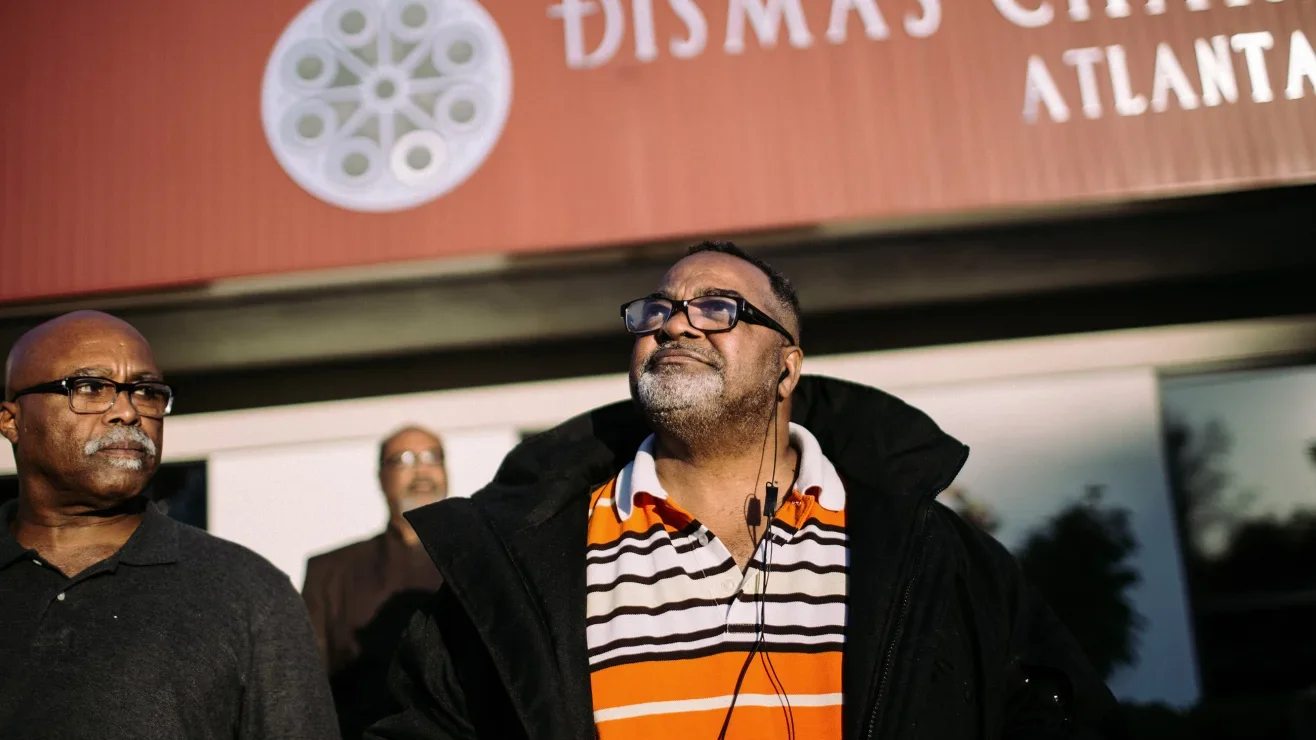
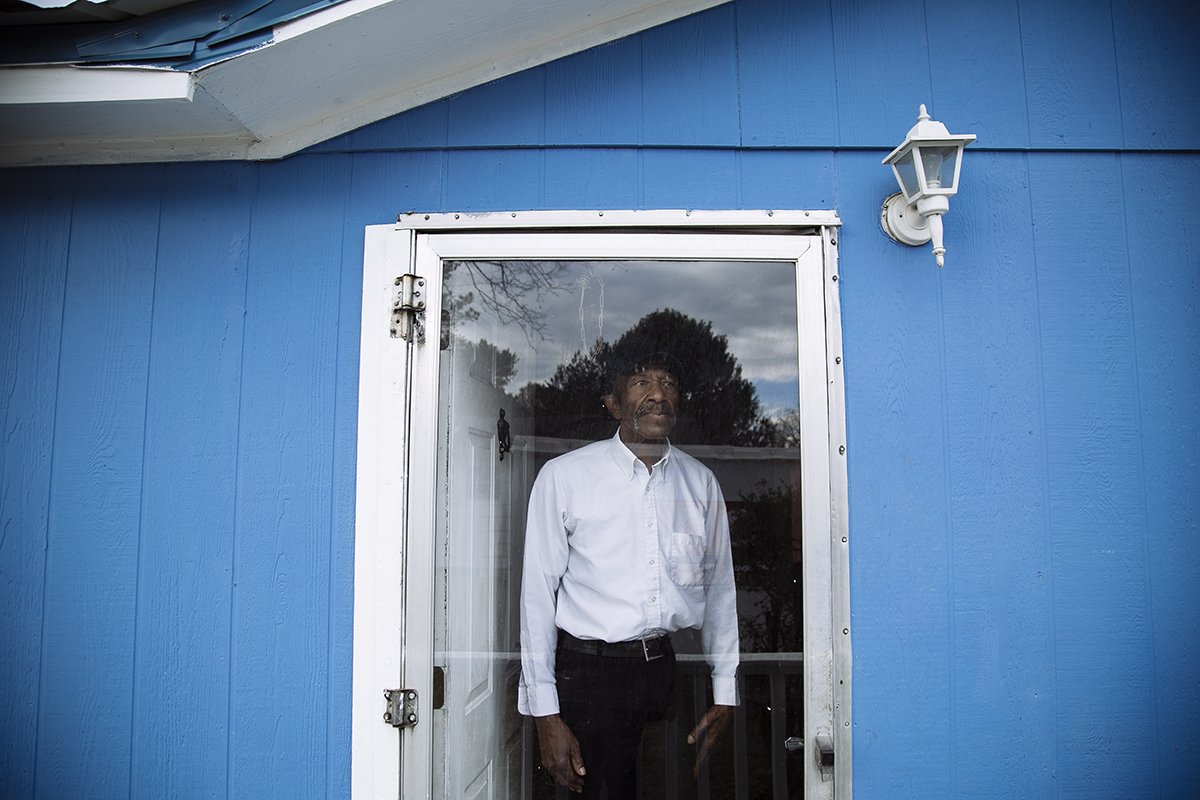
On December 1, Ronald Moon was released from a halfway house in Atlanta. Amber Wang / CNN
‘I’m going to tell him some kind of way – thank you’
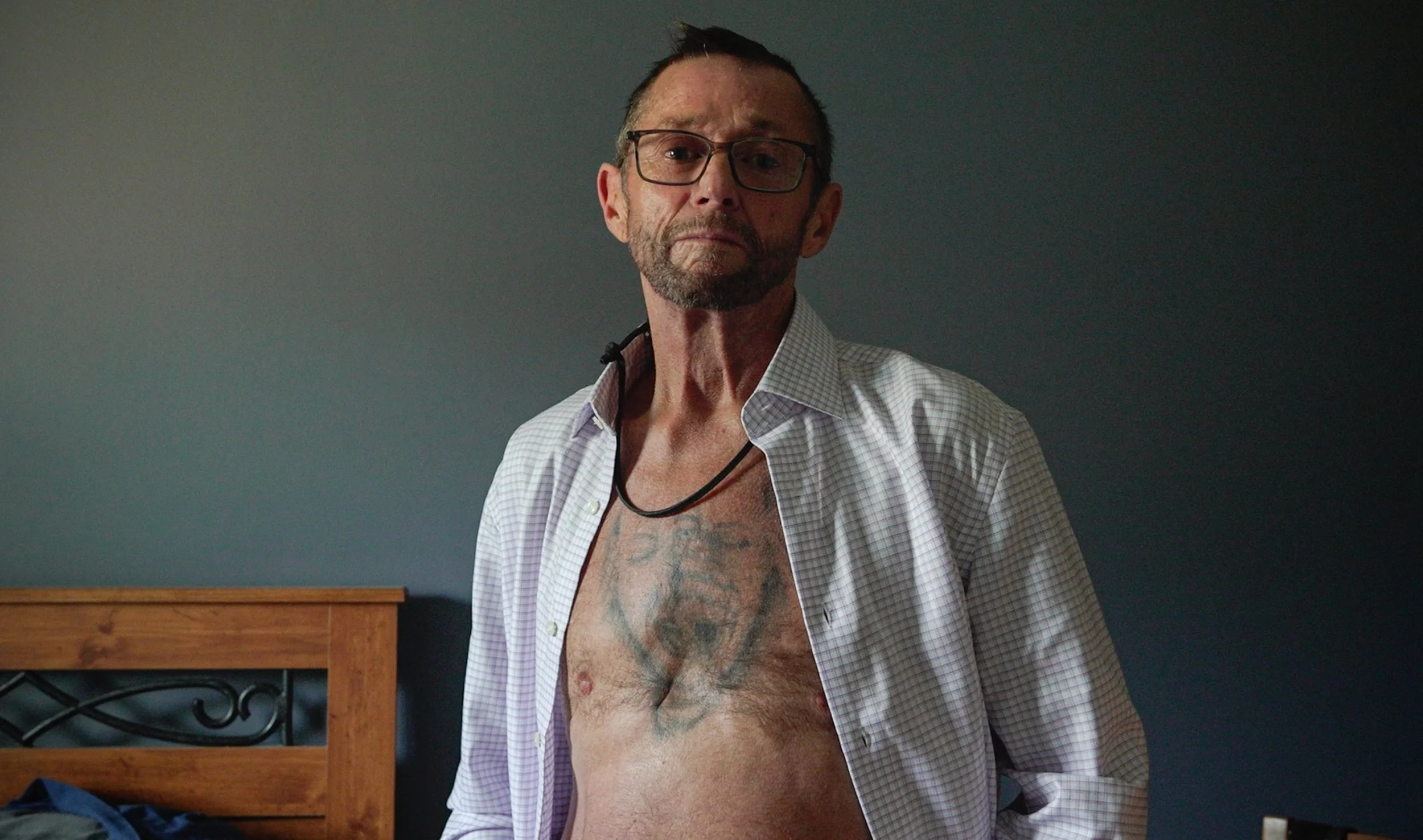
Now 60 years old, Ronald Moon recognizes that life on the outside won’t be easy. His bad knees mean that most blue-collar work will be difficult. But he’s hopeful that he can make a fourth-quarter comeback.
Right now, his focus is on maintaining his sobriety and spending time with his grandchildren, some of whom he’s never met before.
He wants to start a recovery house of his own in the north Georgia mountains and write a book about his experience. He has been invited by the nonprofit Families Against Mandatory Minimums to share his story in front of Congress.
And maybe, if he goes to Washington, he can shake the hand of the man he really wants to thank – President Obama.
“One day, I’m going to slip up there. I’m going to find him and I’m going to tell him some kind of way – thank you. Thank you.”